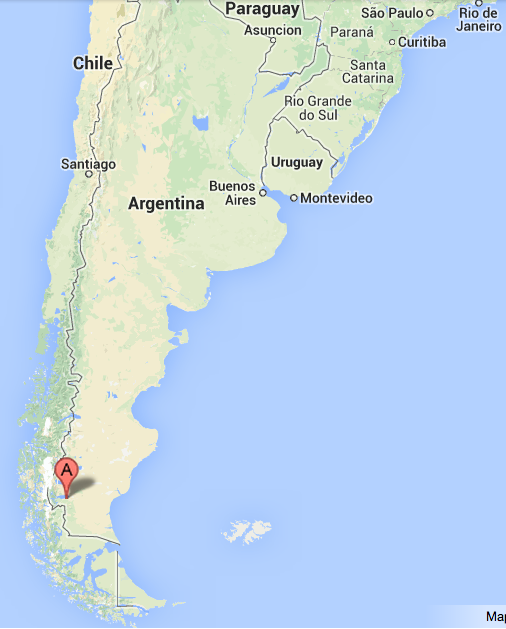
El Calafate, Argentina
El Calafate is a major destination in Patagonia, very popular among vacationing European couples and as a result not the cheapest of backpacker hubs. The main draw is Perito Moreno, a giant 100 square mile glacier in the South Patagonia Ice Field, a place whose importance cannot be overstated as the Earth’s third largest fresh water reserve.
When I arrived in El Calafate, the glacier tour I wanted to do called Big Ice was booked for a few days. There was another option called Mini Trekking but if I was going I wanted to go big. So, I had a few days to kill. One day I went horseback riding which was lovely.
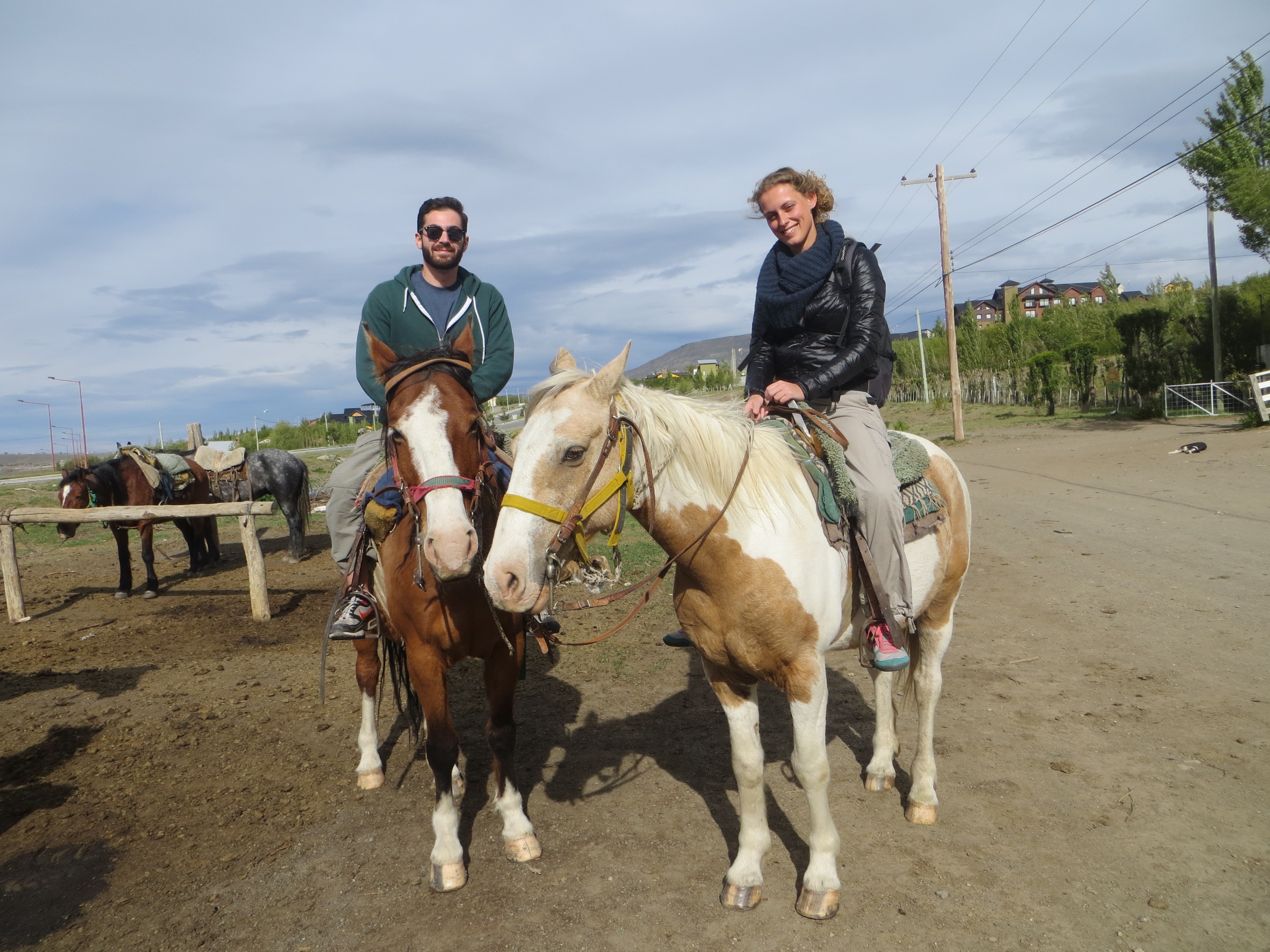
horseback riding with my new friend Lisa
The next day I rode in a jeep to the top of a nearby peak and took 7 epic zip lines to the bottom. Here’s a video of one of them, though unfortunately I didn’t think to take footage until the last zip line, which was the shortest and lowest to the ground.

the first of 7 zipline legs
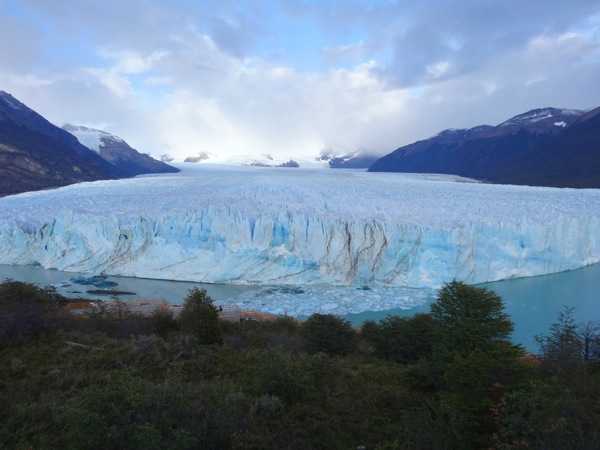
Then, at last, it was glacier trekking time. The tour I signed up for set me back around $175 everything included, but it was so worth it. First we went to a lookout next to the glacier. I was blown away. Man that thing is big, like 100 meters above sea level. Another thing I noticed right away is that glaciers are loud. The glacier groans and pops as chunks fall off into the water. The most massive thing I’ve ever seen in motion – yes, glaciers move – this one about 3 centimeters a day.

Perito Moreno from the viewing deck
Then we took a boat right up to the glacier and came ashore next to it.
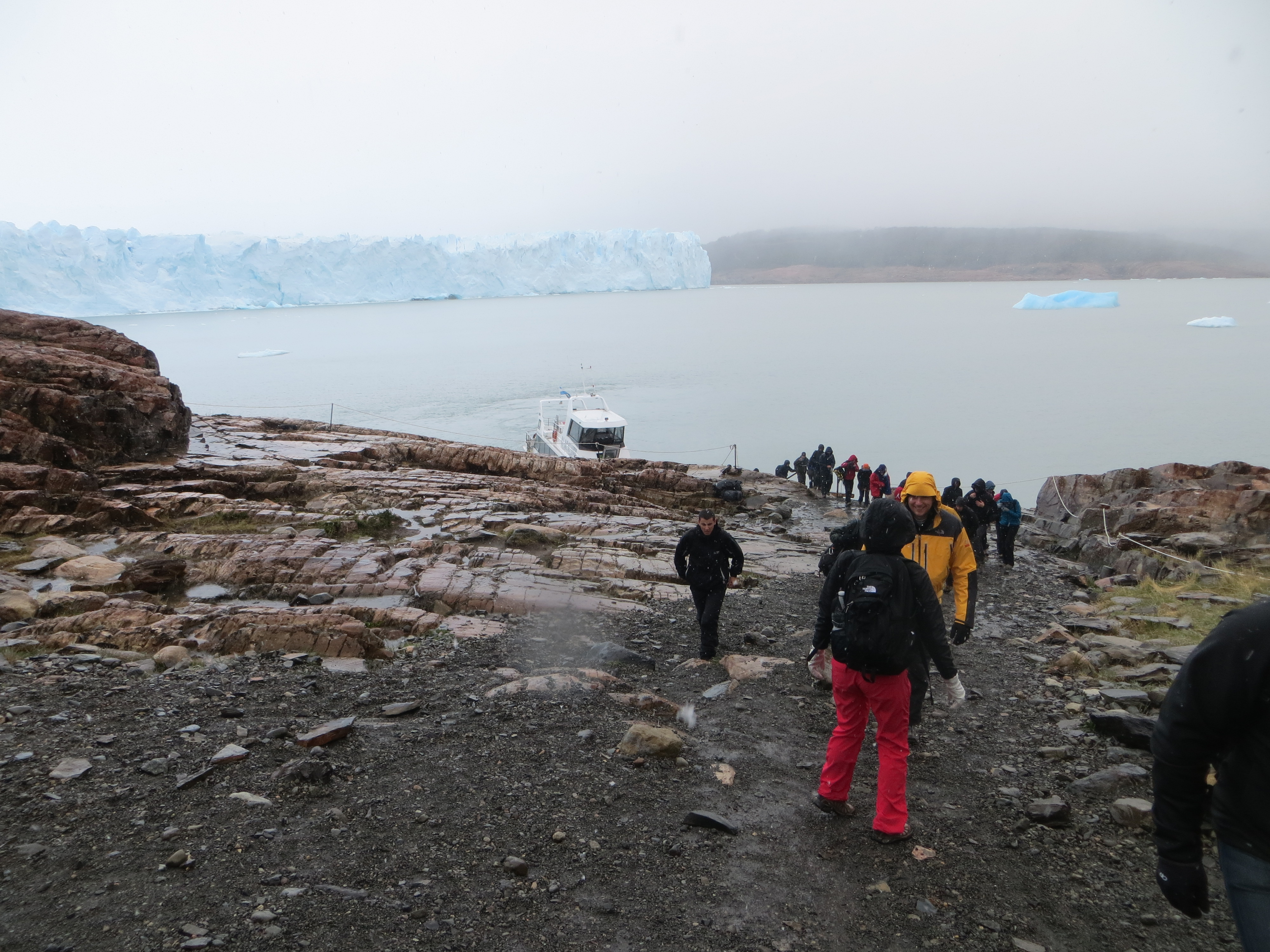
on shore next to the glacier
We trekked roughly a 1 hour to reach a plateau with access to the glacier itself.
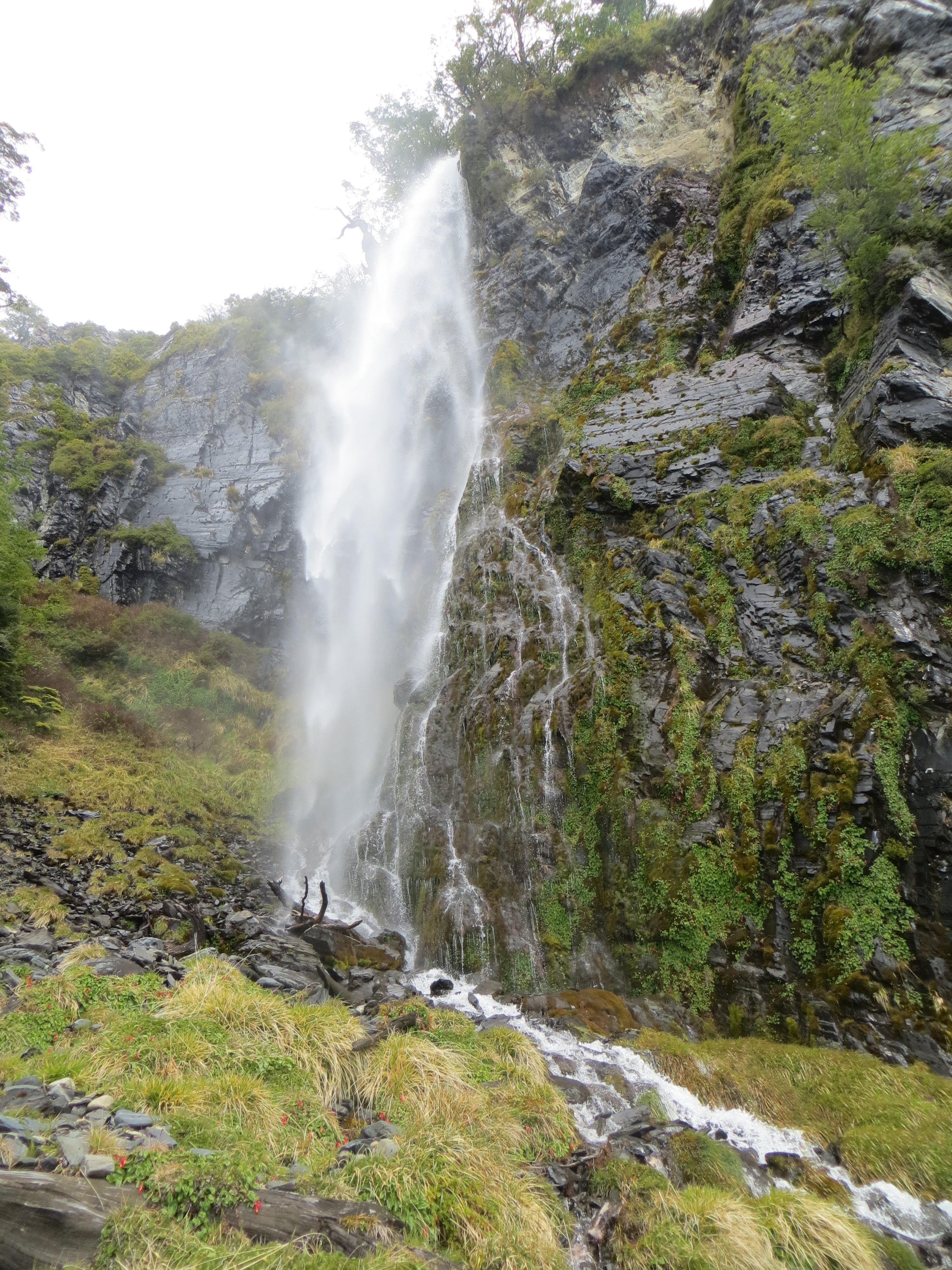
waterfall on the way
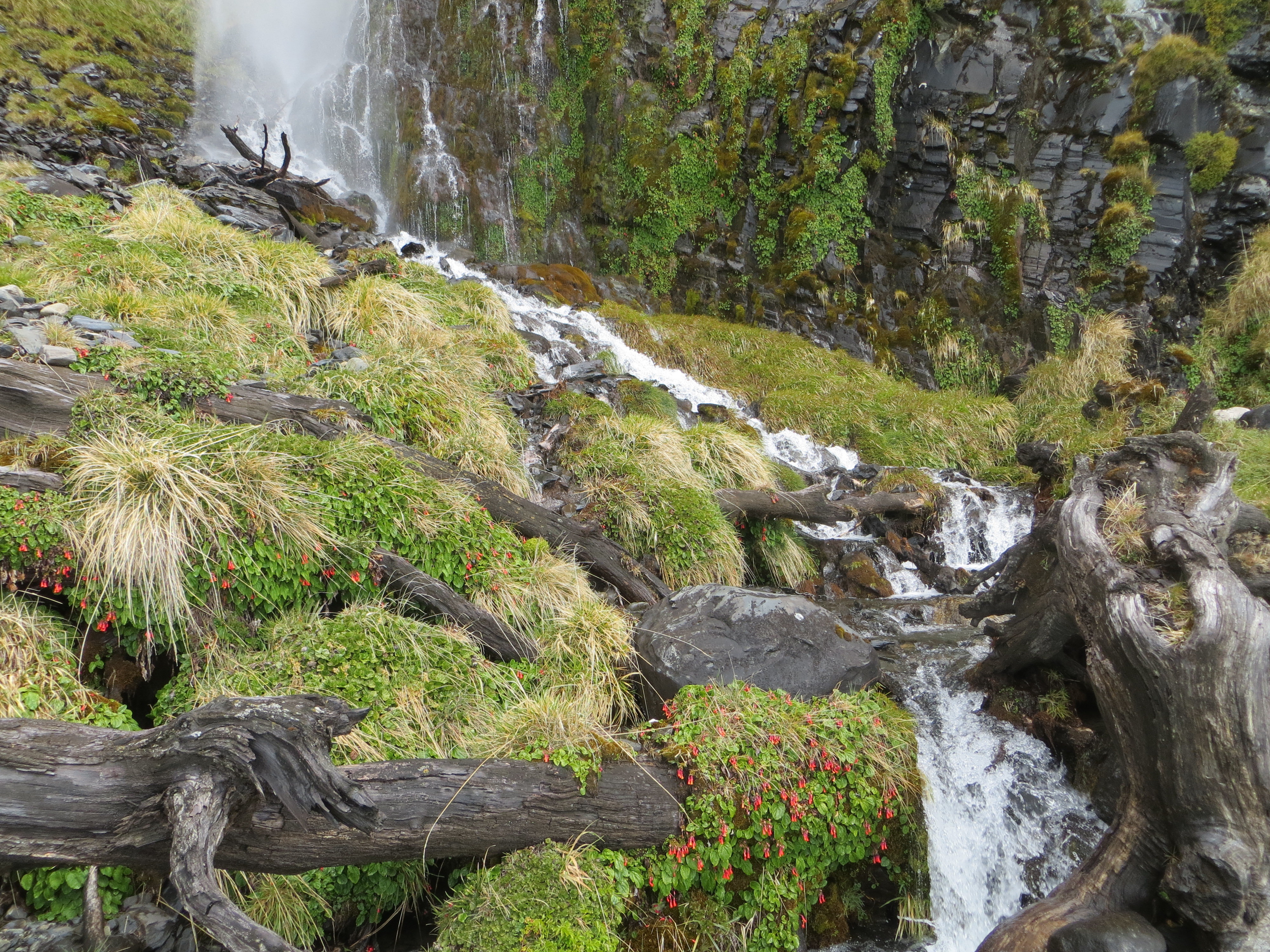

forest next to the glacier
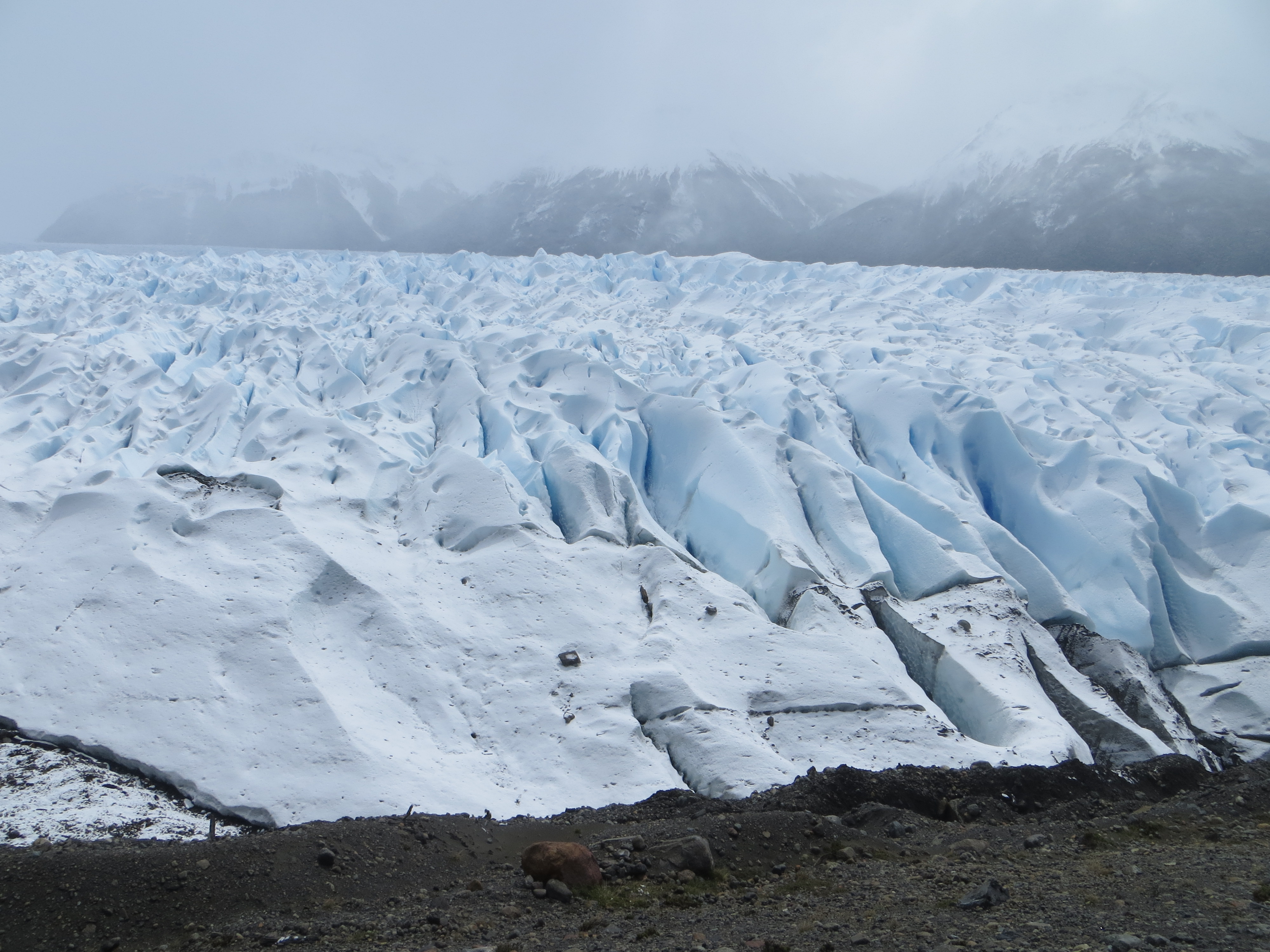
where land meets glacier
We were equipped with harnesses and crampons, separated into 8 person groups, and then we trekked into the very heart of the glacier for around 4 hours. I should also mention that on this day there was a fierce, fierce blizzard. I remember asking myself more than once what the hell I was doing on a glacier in the middle of a blizzard.
L-i-v-i-n I suppose.
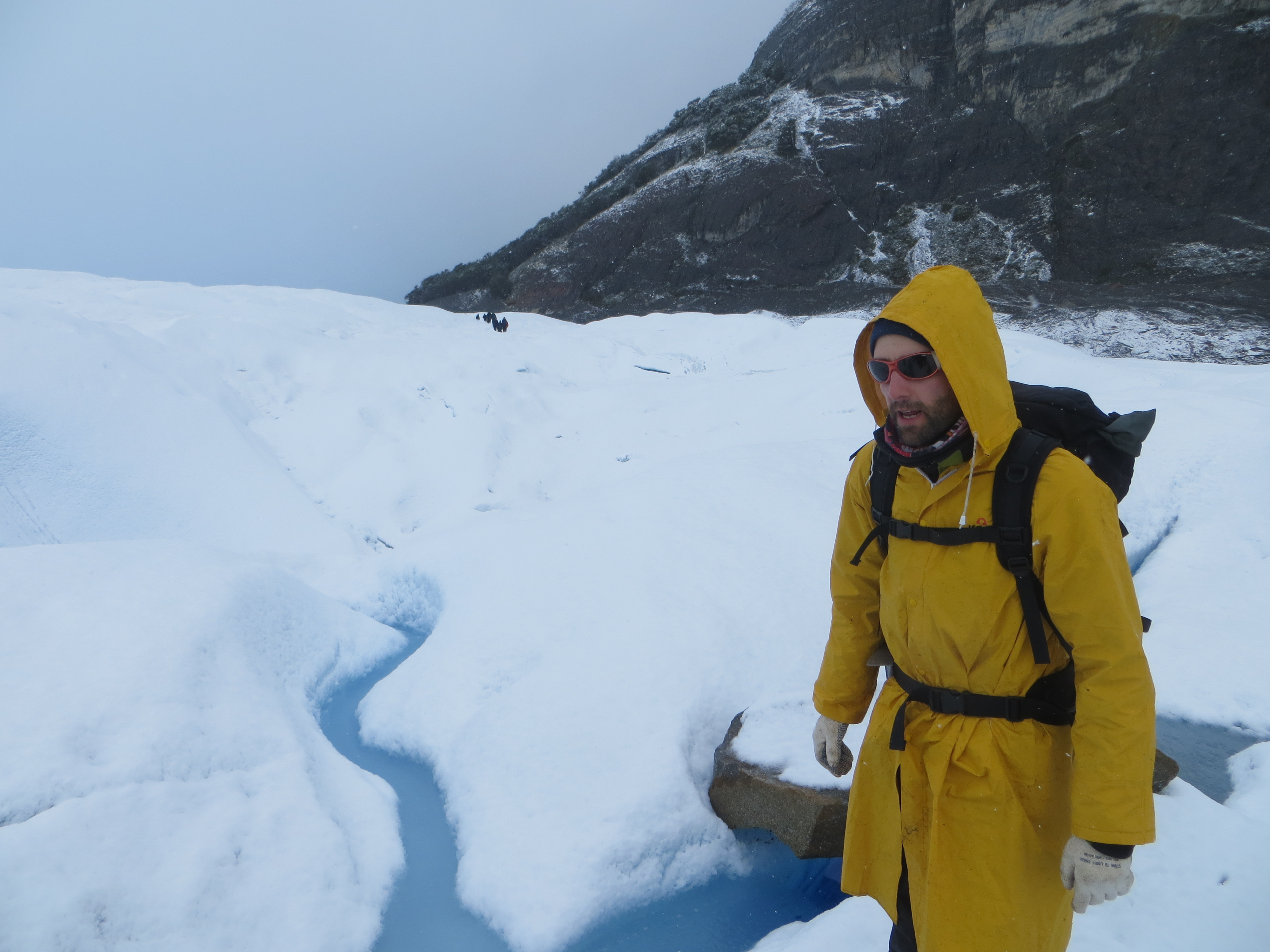
our guide
Though the views weren’t great it was a truly incredible experience. Our guide told us that we needed to be especially careful on the glacier during a blizzard because the snow could cover up large crevices.
I had follow-up questions.
“What happens if you fall into a crevice?” I asked.
“It depends how wide it is. If it’s wide enough then we have rope and other tools to get you out?
“What if it’s not wide enough?”
“Then you will die slowly in a glacier.”
“Oh.”
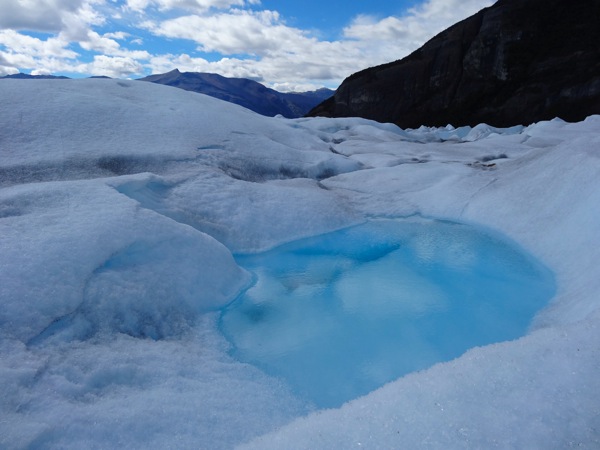
The outside of the glacier is very jagged and therefore difficult to navigate, but in the middle where melting water is funneled it is much smoother and easier to walk around. There are tons of sinkholes when melting water collects, and the color of these pools is the most brilliant shade of blue. I filled up my water bottle a couple of times and let me tell you, there’s no water in the world like melted Patagonian glacier water.
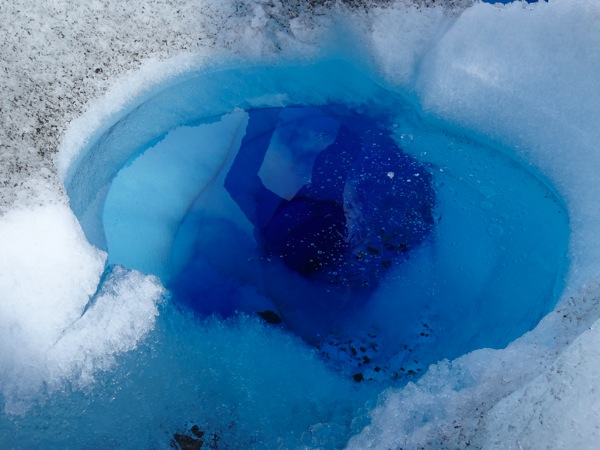
melt pool
We stopped for about 15 minutes for lunch. I had packed myself a delicious steak sandwich that I’d cooked in the morning. We couldn’t hang out for very long for one glaring reason – we were in the middle of a glacier during a blizzard. There was no shelter, no dry place to sit, it was very windy and wet and cold. While I was trekking I felt fine, warm, my energy moving. If we stopped for more than a few minutes it wasn’t long before I was reminded how wet and cold I really was.
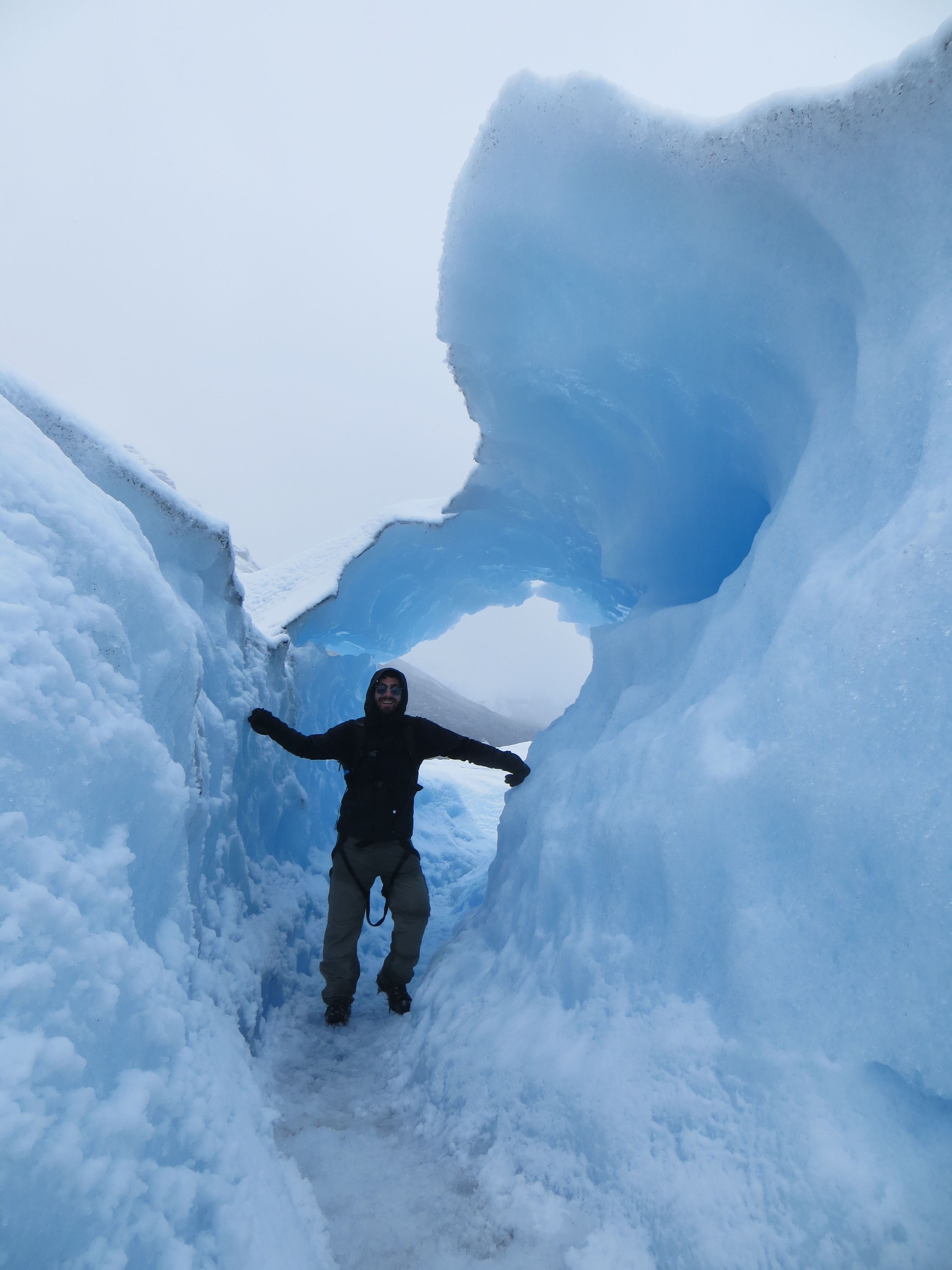
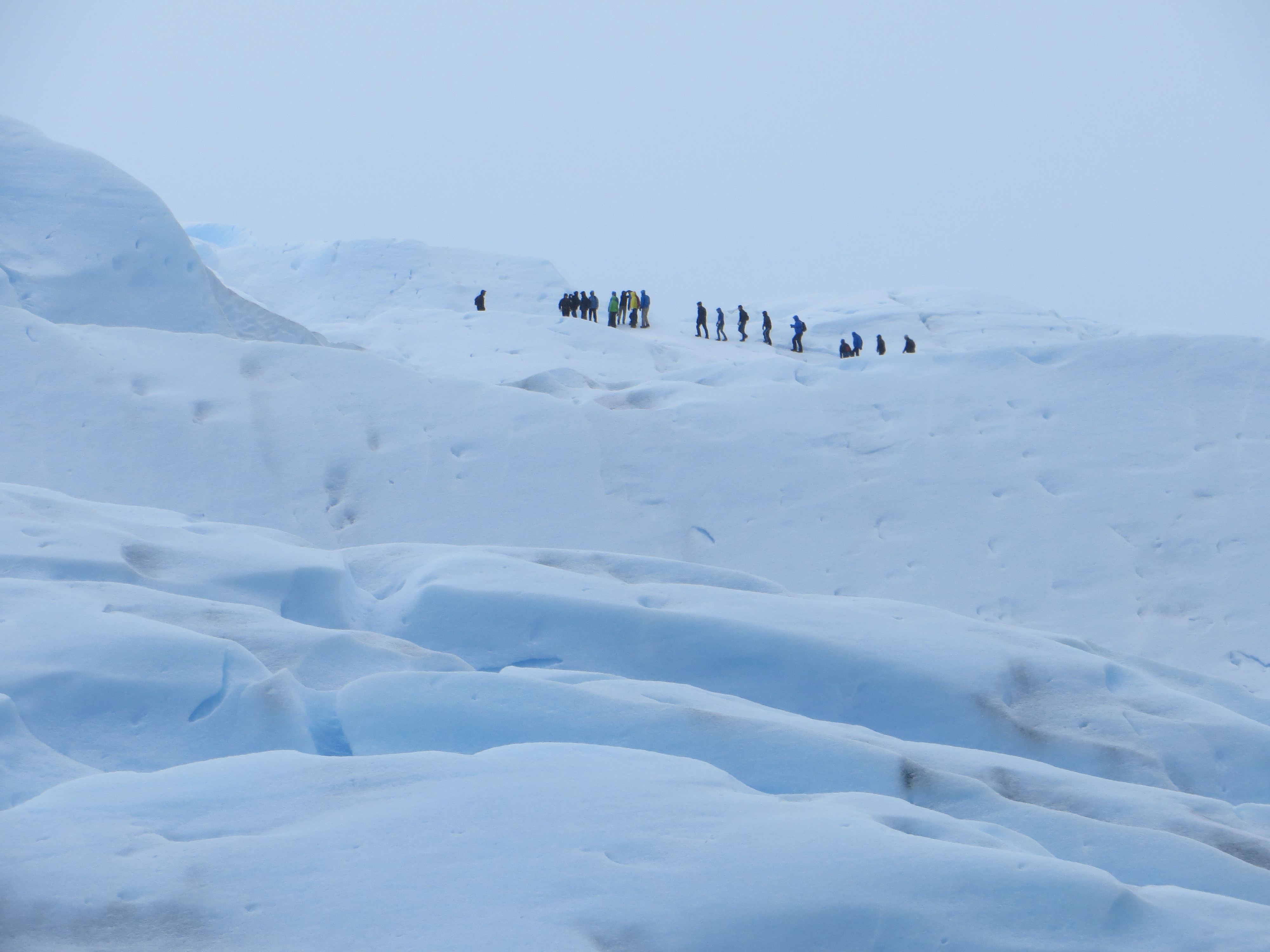
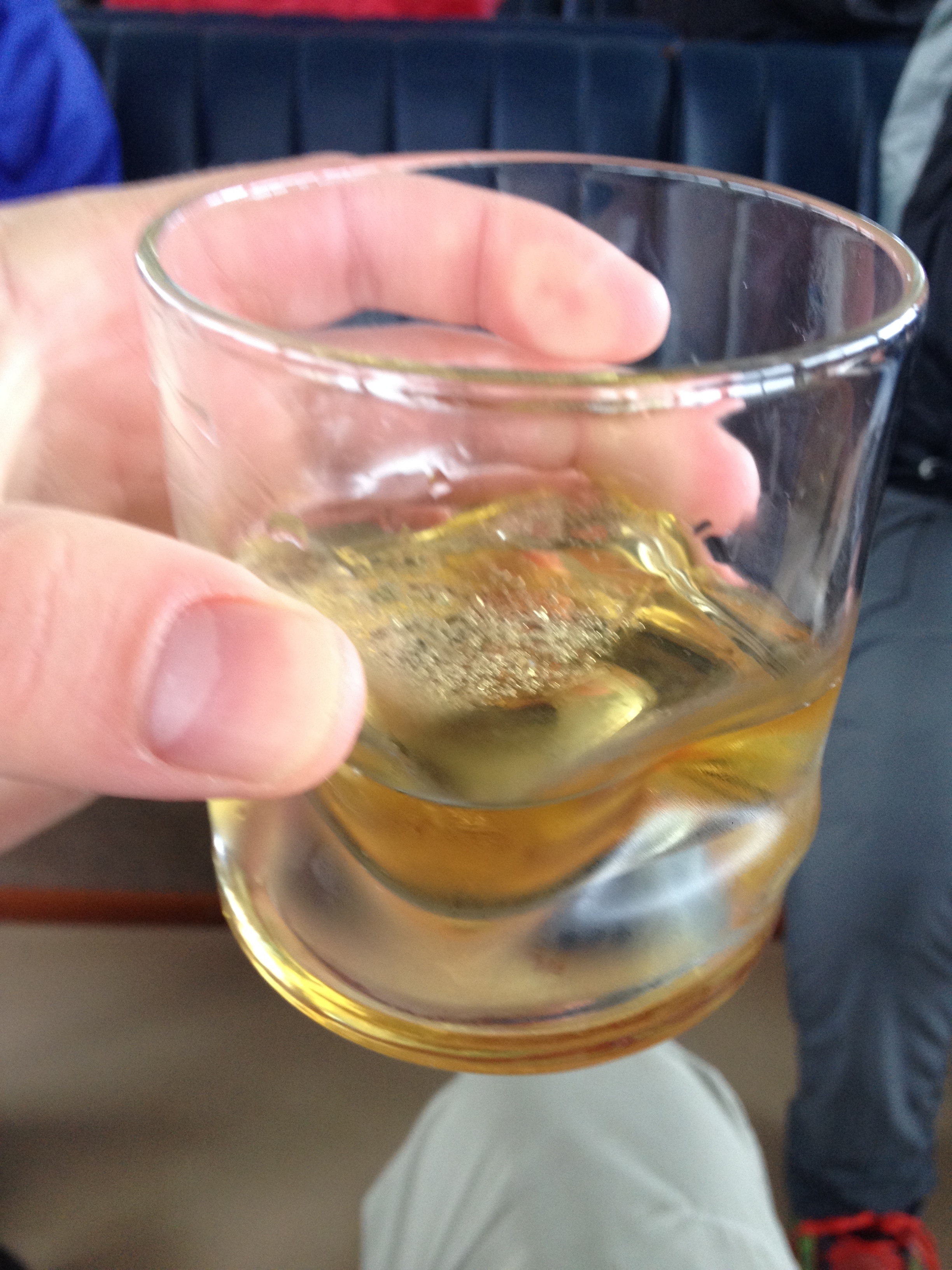
whiskey with glacier ice
At the end of the trek, roughly 6 hours in total, we got back on the boat and were served 12 year old whiskey on the rocks, the rocks in this case being glacier ice. Not too shabby.
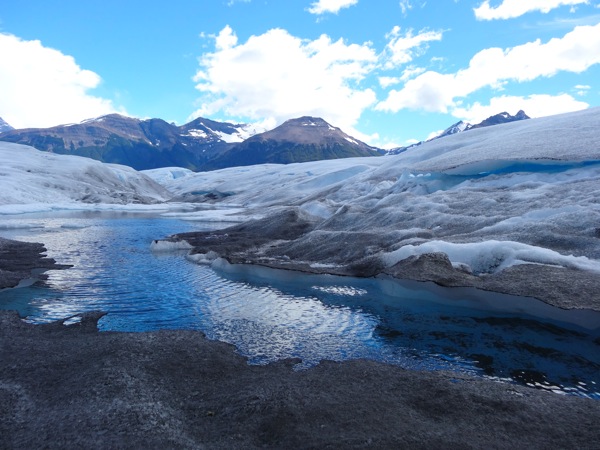
Here are some pictures I’ve found from around the internet of the glacier on clearer days. Just to be clear, none of these pictures of mine. Here is the link where I found them. Hopefully I’ve done my due diligence and he doesn’t sue me.
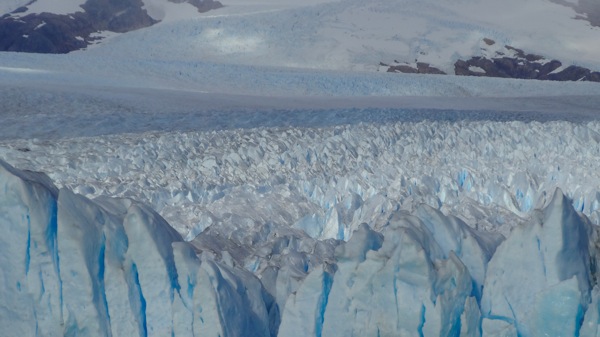



 milesawayfromhome

Larry Peltz
March 28, 2014
Astonishingly beautiful, amazing place. I think you may be related to the guide. LP