When I first arrived in Patagonia I heard through the grapevine that the biggest and arguably best trekking experience was found in Torres del Paine, a huge national park in Chile. At first I didn’t think it was feasible. It seemed like a massive effort, involving tons of logistics and gear I didn’t have, not to mention very expensive. But as more and more people raved about it I decided this was not something I could miss.
From El Chalten, Argentina, I took a bus to El Calafate, spent the night, then caught a 5am bus to Puerto Natales, Chile, which is roughly 70 miles from the park. They made me throw away my food at the border. Silly rules.
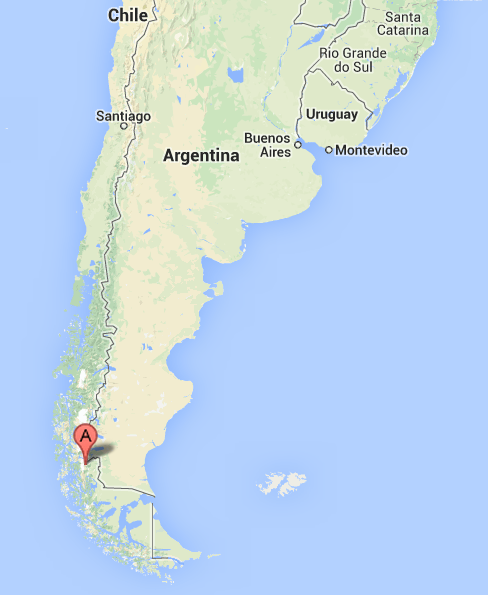
Torres del Paine, Chile
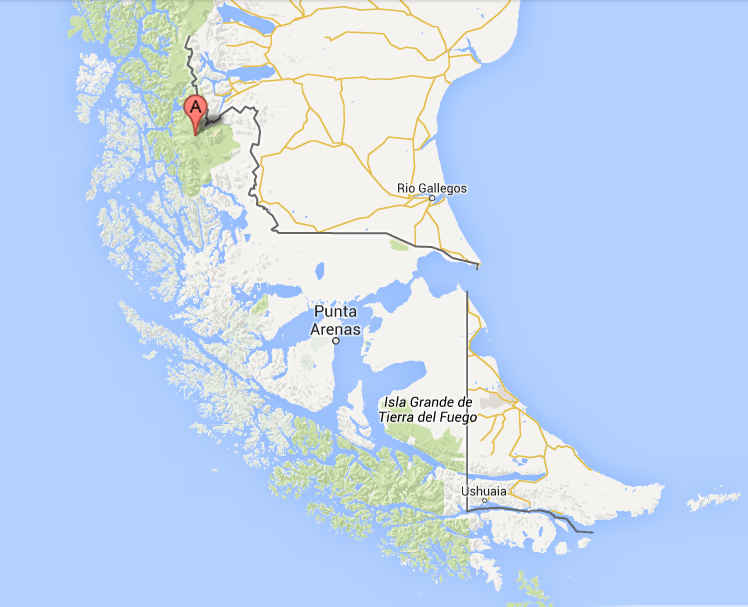
Torres del Paine, Chile
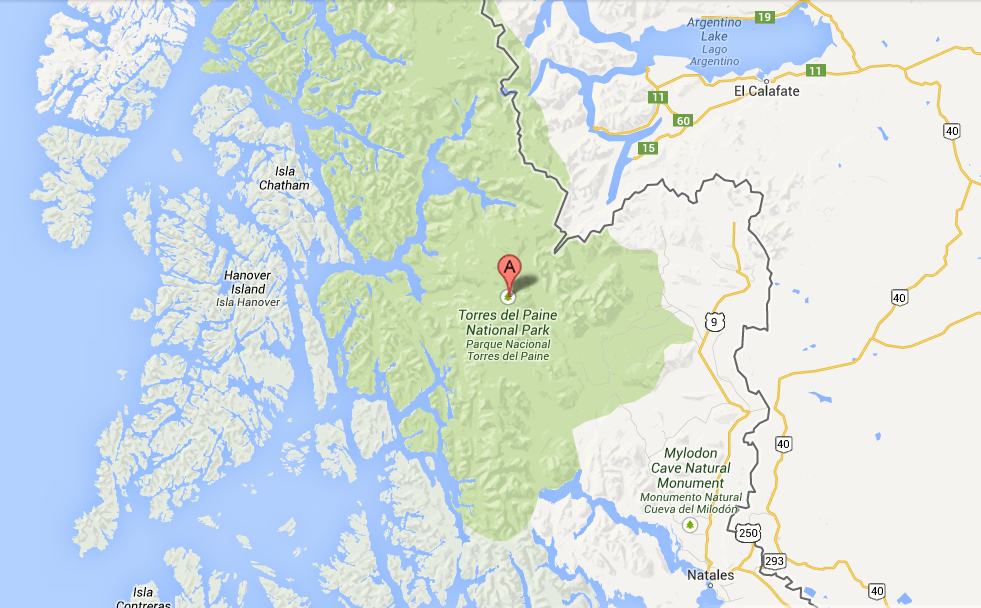
Torres del Paine, Chile
There are many ways to trek Torres del Paine with regard to route, intensity, accommodation, etc. Some people stay at one of the base camps and do day treks. Some do the full circuit which takes 8 or 9 days if you hustle. The most popular though, especially among younger trekkers, is the W route, which typically takes 4 or 5 days. This is what I opted for.
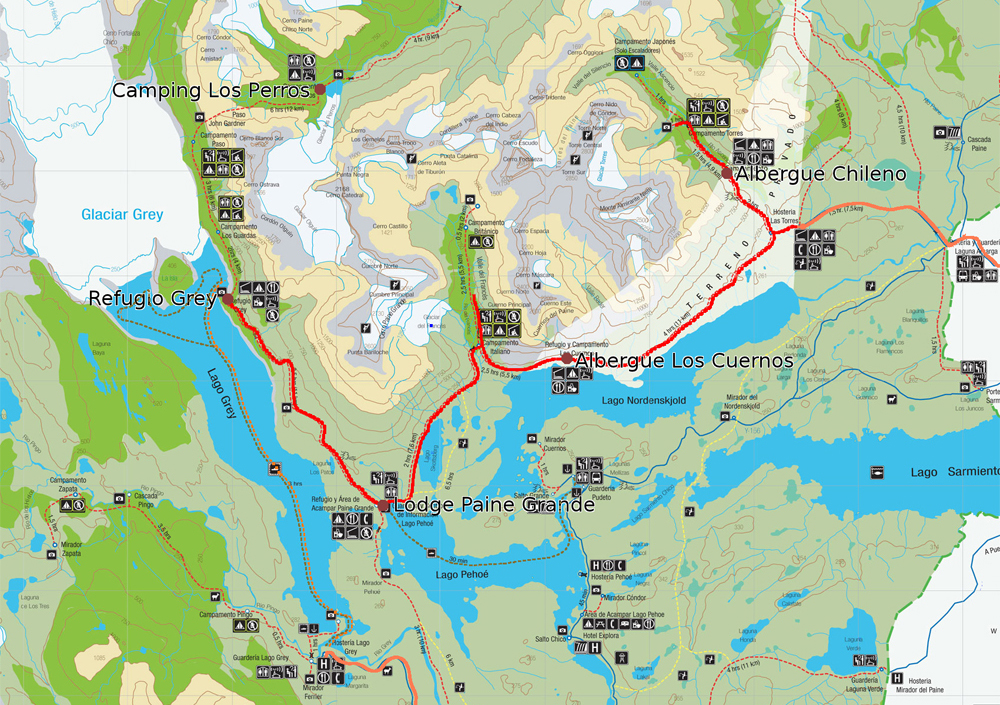
The W
Regarding accommodation, there are shmancy hotels at the two main bases (around $500/night), several refucios (basic yet extremely overpriced lodges, $120/night for bunk beds), cheap campsites adjacent to the refucios with basic shelter for cooking and access to running water, and free campsites sprinkled around the park with bathrooms and nothing else.
Food is another issue to consider. Hot food is served in the refucios, but it is, again, basic and very expensive. There are also designated areas at campsites to cook your own food. Cooking outside designated areas is strictly prohibited, as are campfires or open flames of any kind. There have been 3 major fires in the last 30 years in Torres del Paine, each of which destroyed rough 60 square miles of the park. Devastating. One of these fires was started by a backpacker who went to the bathroom off the trail and then tried to burn his toilet paper. Much of the aftermath from these incidents scars the park to this day.
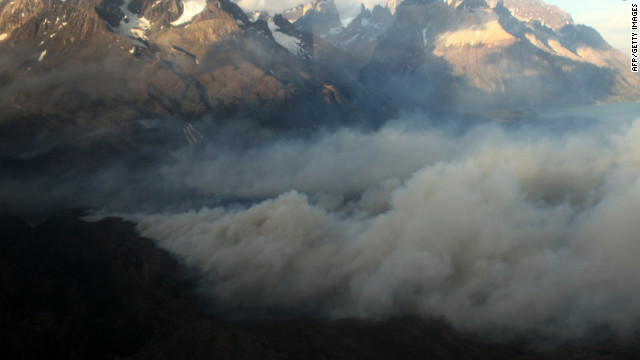
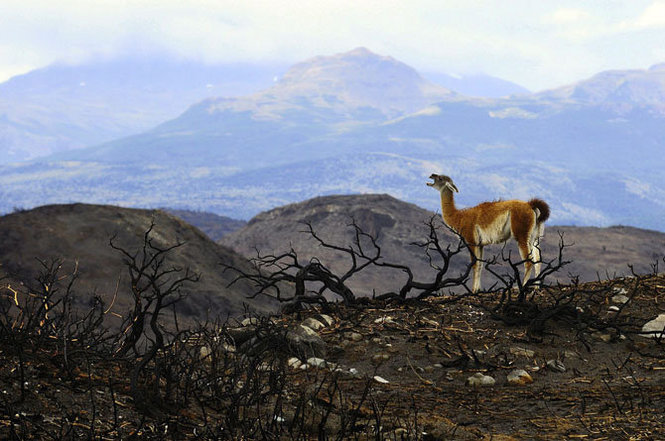
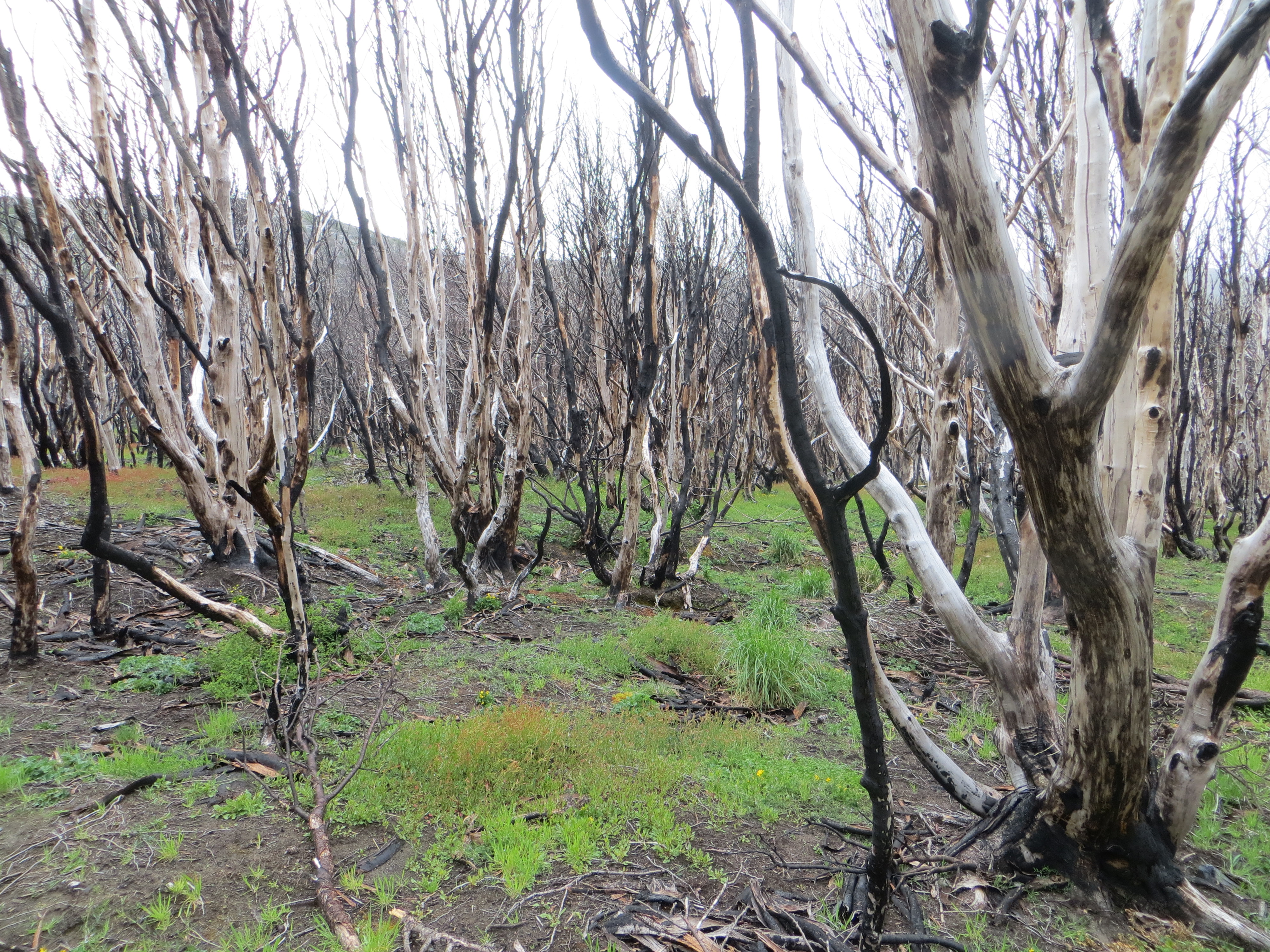
I took this one
Finally, you can trek on your own or with a tour. These tours, which tend to include guides and porters and catered meals and fancy accommodation, are not only very expensive, but in my opinion pollute a wonderful opportunity to experience nature in all its glory with unnecessary luxury.
That said, much of the park’s trekking population does things the old fashioned way – with total self-sufficiency – carrying all of their own gear, including tent, sleeping bag, cooking supplies, food, etc. This is the option I chose. If I was going to schlep all the way out here, I wanted the full, unadulterated rugged experience.
I arrived in Puerto Natales around 1pm and decided I had enough time to sort everything out so I could begin trekking the following morning. It was overwhelming at first, but I attended a free info session at a place called Erratic Rock and learned most of what I needed to know. To thank them for all the info I rented my gear from them, and I mean everything – a tent, sleeping bag, mattress pad, a stove, a pot, a bowl, a spoon, a cup, boots, gloves, and ski poles.
Using ski poles sounded lame to me at first but they insisted they were a necessary precaution.
One woman, a veteran trekker, reasoned:
“Imagine you are walking on a cliff ledge with all of your gear on your back and a gust of wind over a 100 km/hour hits you unexpectedly. Trust me, you will be thankful you have a pole to plant in the ground and brace against the wind.”
And true to her word this exact scenario played out and I was grateful to have the poles.
Next, I needed food. Nothing perishable or too heavy would do, and that meant no bread, cheese, non-cured meat, or fresh fruit or vegetables.
What I brought:
– Assortment of nuts and dried fruit for trail mix – Granola bars – 2 packets of premade rice – 3 packets of dried soup – Instant mashed potatoes – Cured salami – Lentils – Hot sauce – Tea bags – Bottle of whiskeyIt turned out that I brought the perfect amount and variety of food, with the exception of one item that I’ll get to later. Perhaps the most convenient aspect of the park is that there was no need to bring much water. There were plenty of fresh water streams and it was no problem to fill up every hour or so.
The next morning I took a bus two hours to the park. In the main office I paid the entrance fee and watched a required safety video.
The weather was miserable; it was raining very hard. But, no matter, now it was time to plunge into the wilderness on my own.


 milesawayfromhome


JANAINA MACIEIRA
November 5, 2015
please, where can a hire a transfer from el calafate to puerto natales at 5 am ?