After about 7 weeks in Buenos Aires I was struggling to decide where to go next. My main priority in South America is to learn Spanish, a language which I’m confident will serve me well in the ever-changing stateside demographics. That said, the Castellano dialect spoken in Argentina is an often rapid and blurred Spanish that uses pronouns and conjugations unique to Argentina. Though the dialect is different in Chile, the same difficulties persist. Countries to the north tend to have slower and clearer Spanish speakers, and this is where I need to be if I have any prayer of learning this language. However, moving north right away would mean missing Patagonia, a place I had fantasized about exploring long before I began traveling. In the end I decided that I couldn’t pass up the opportunity.
Patagonia is a vast region in southern South America that stretches from the Pacific to the Atlantic Ocean and covers a large portion of the Andes. The terrain is a combination of prairie, large bodies of water, mountain ranges, and glaciers. After spending roughly four weeks trekking in both Argentine and Chilean Patagonia, I can say with some certainty that it is the most beautiful place I have ever been.
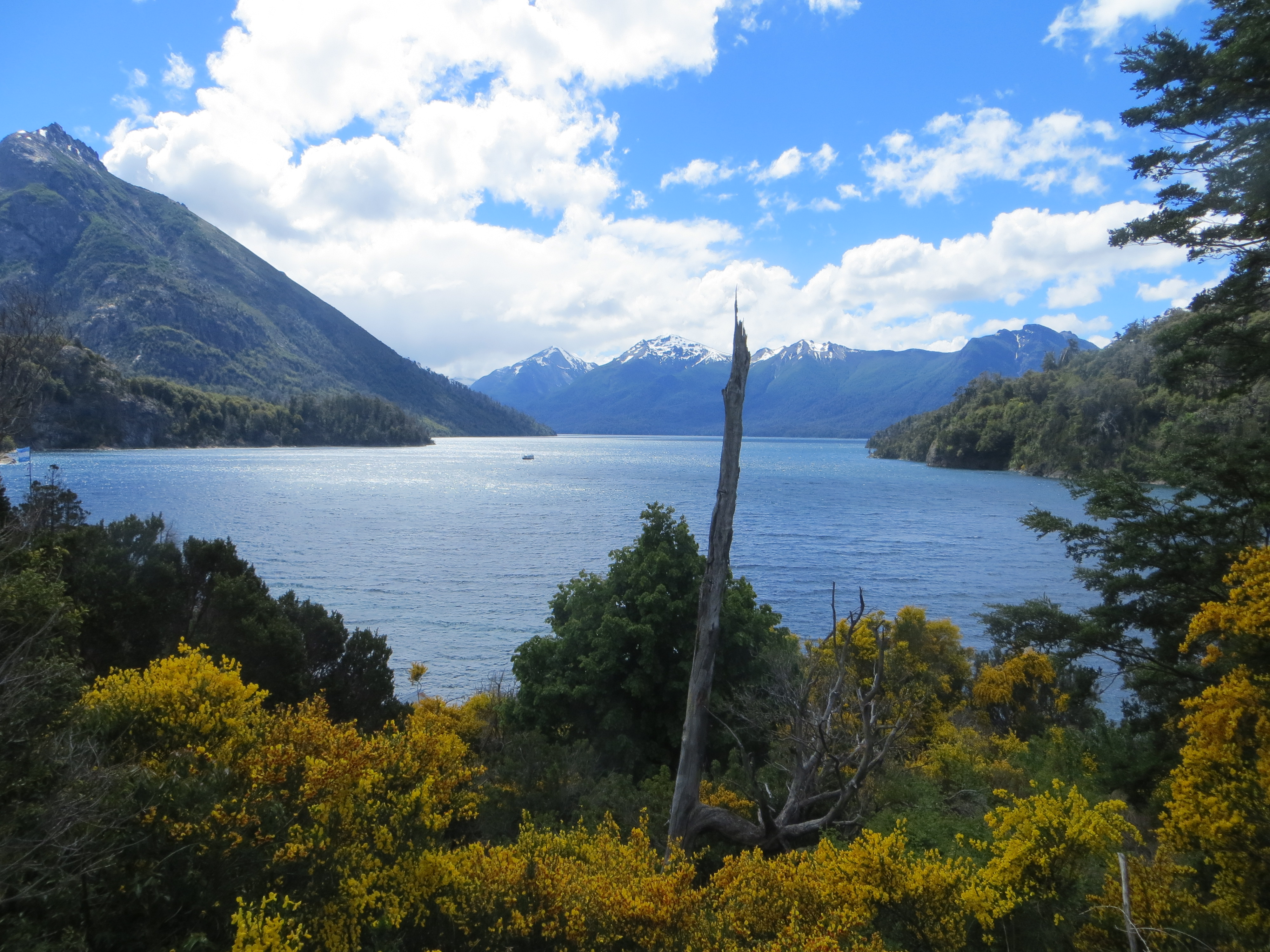
Barriloche in Northern Patagonia
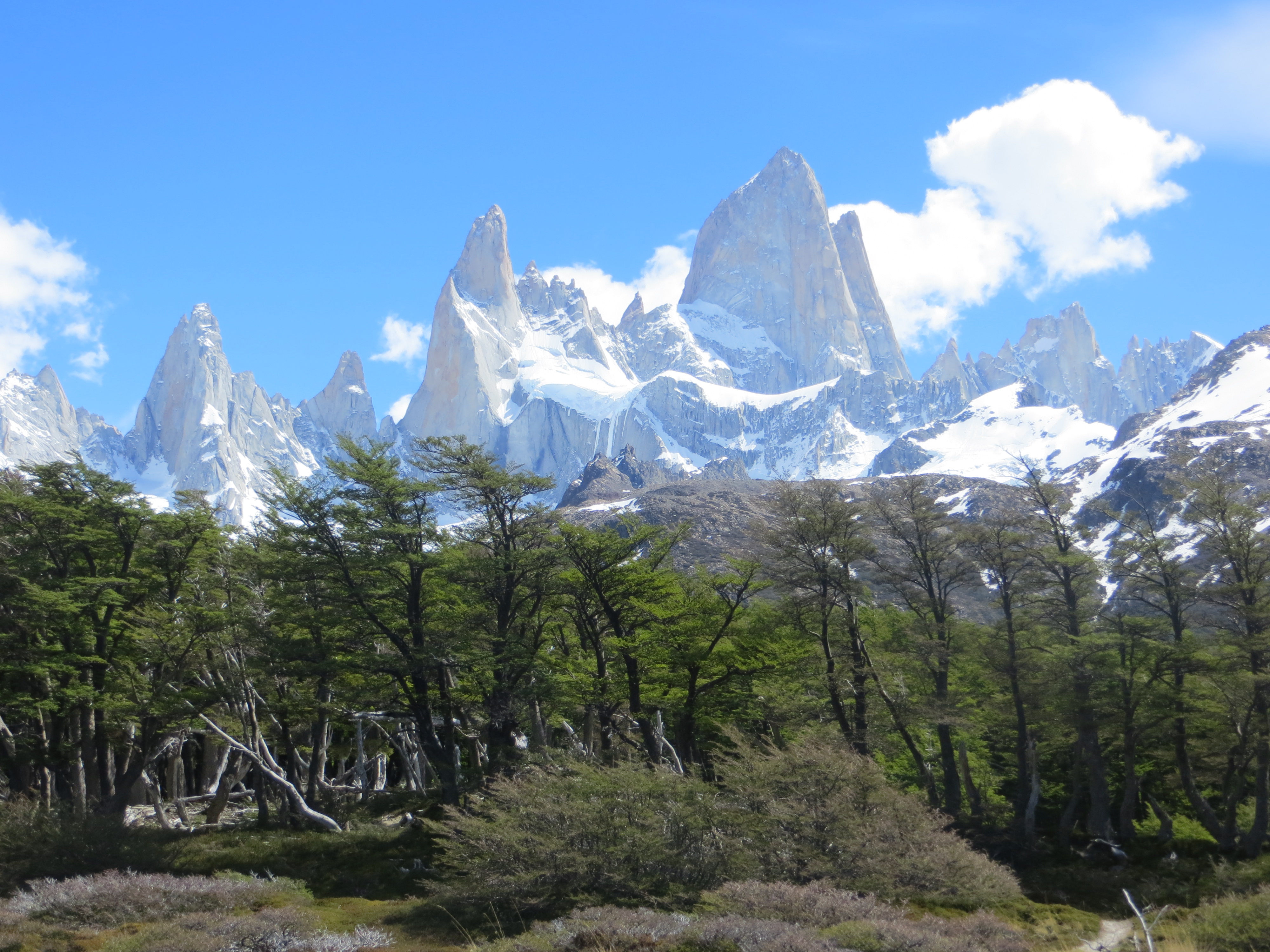
Fitz Roy
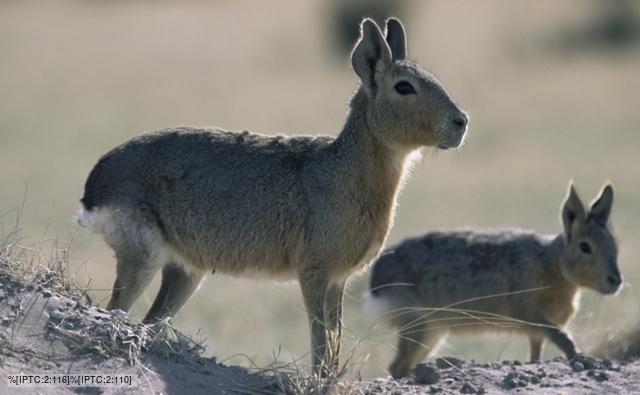
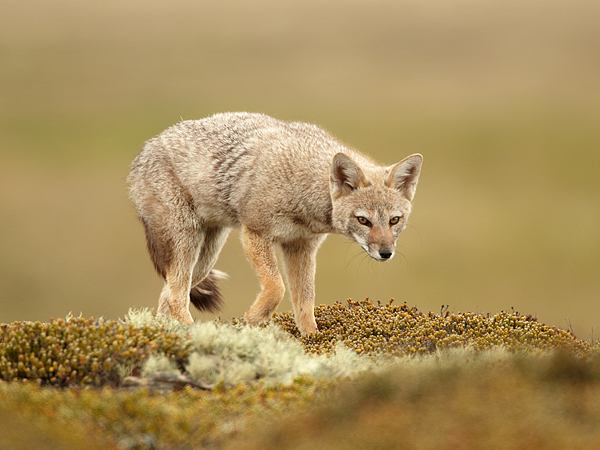
Endless prairies of fertile green blanket the countryside where cows, sheep, horses, and Guanacos graze leisurely in large groups. Patagonian maras dart suddenly across the landscape. In the marshes, flamingoes congregate in droves, while grey foxes and pumas lurk in the bushes. Overhead, soaring eagles are commonplace.
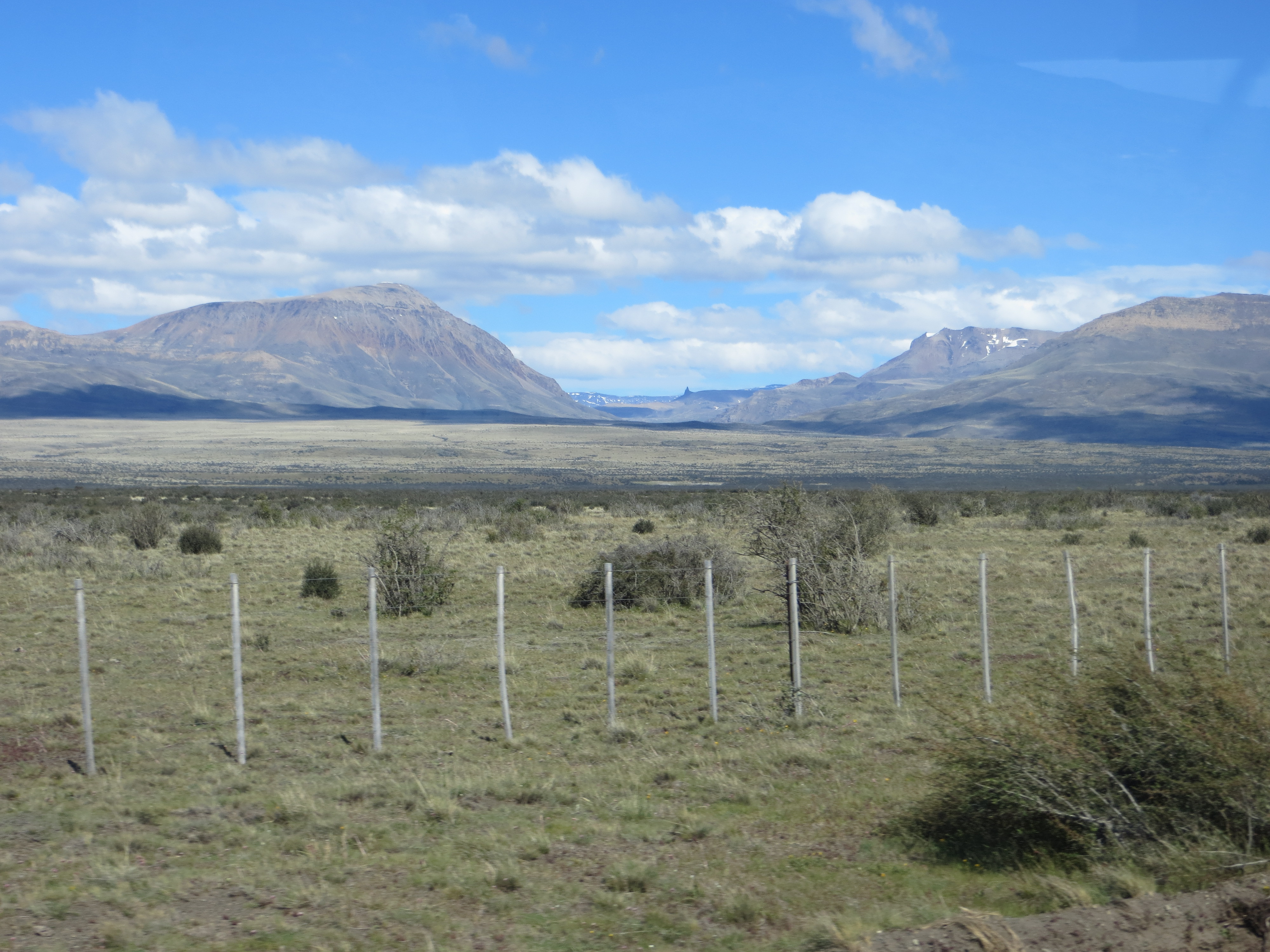
outside El Calafate
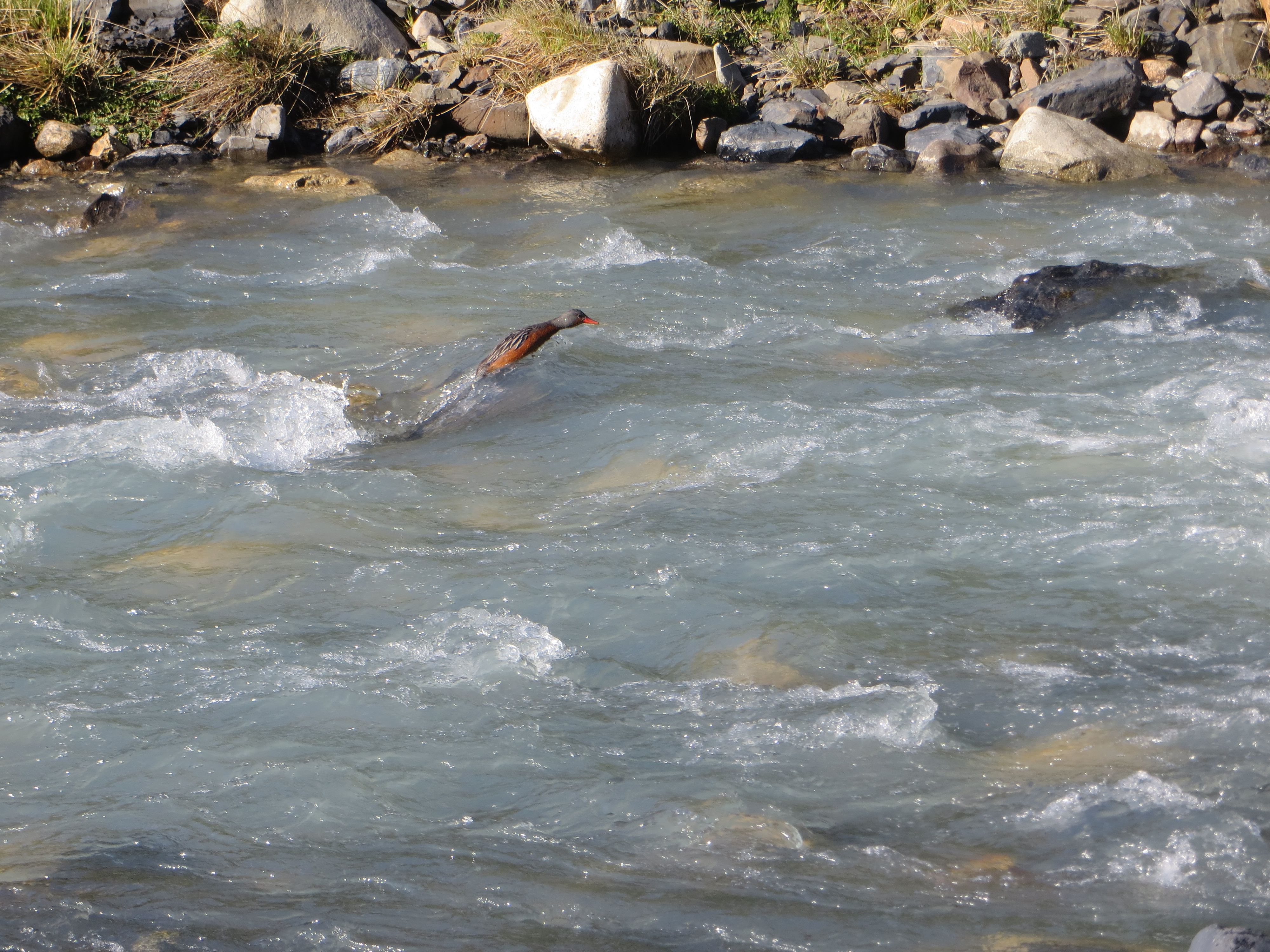
a duck leaping from a stream in Torres del Paine, Chile
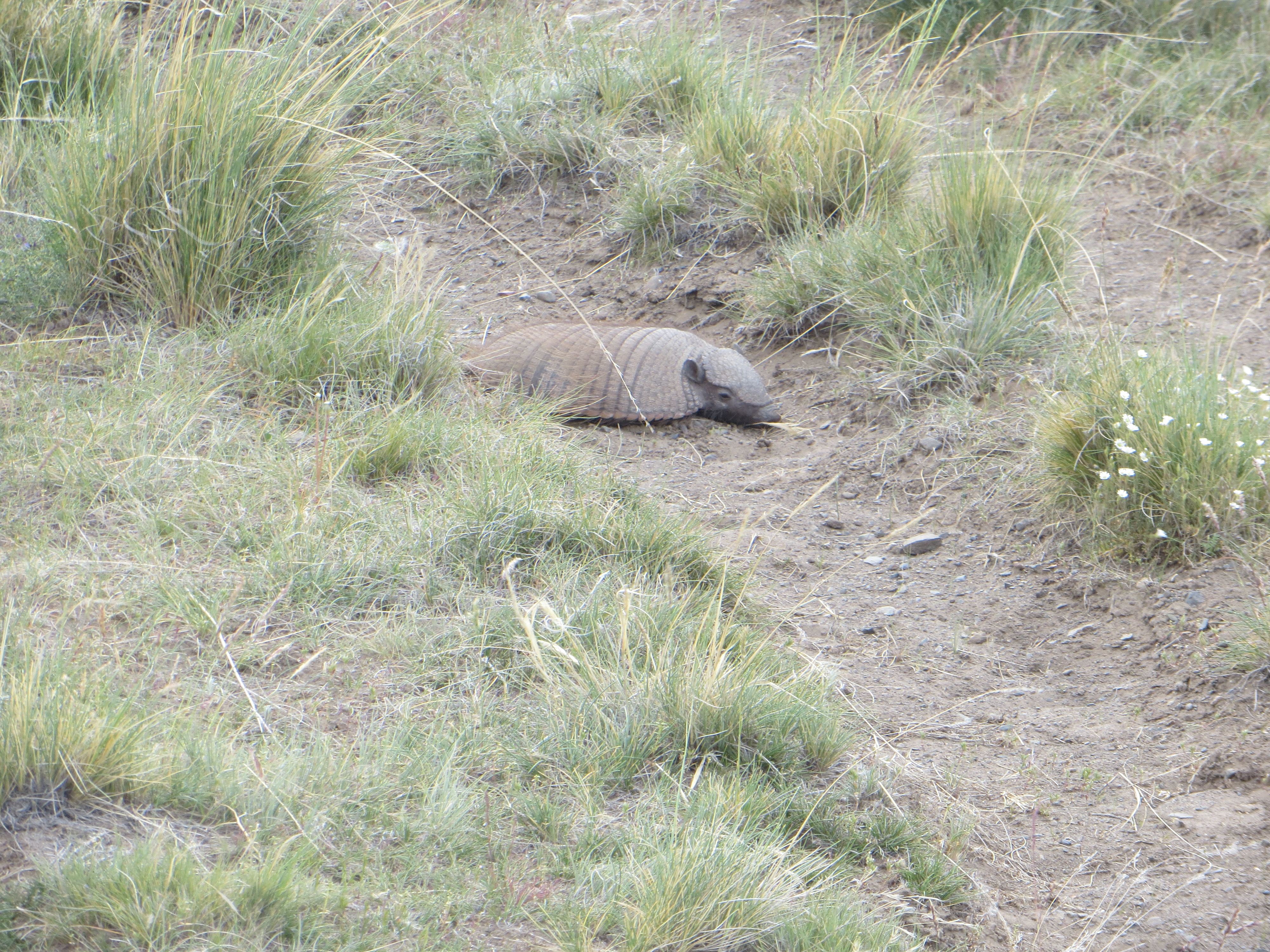
spotted this little guy while horseback riding in El Calafate
The lakes and lagoons of Southern Patagonia shine with a brilliant turquoise hue, a result of glacial milk sediments that make these freshwater pools look almost tropical. In the distance, snow-capped peaks of the Andes pepper the horizon.
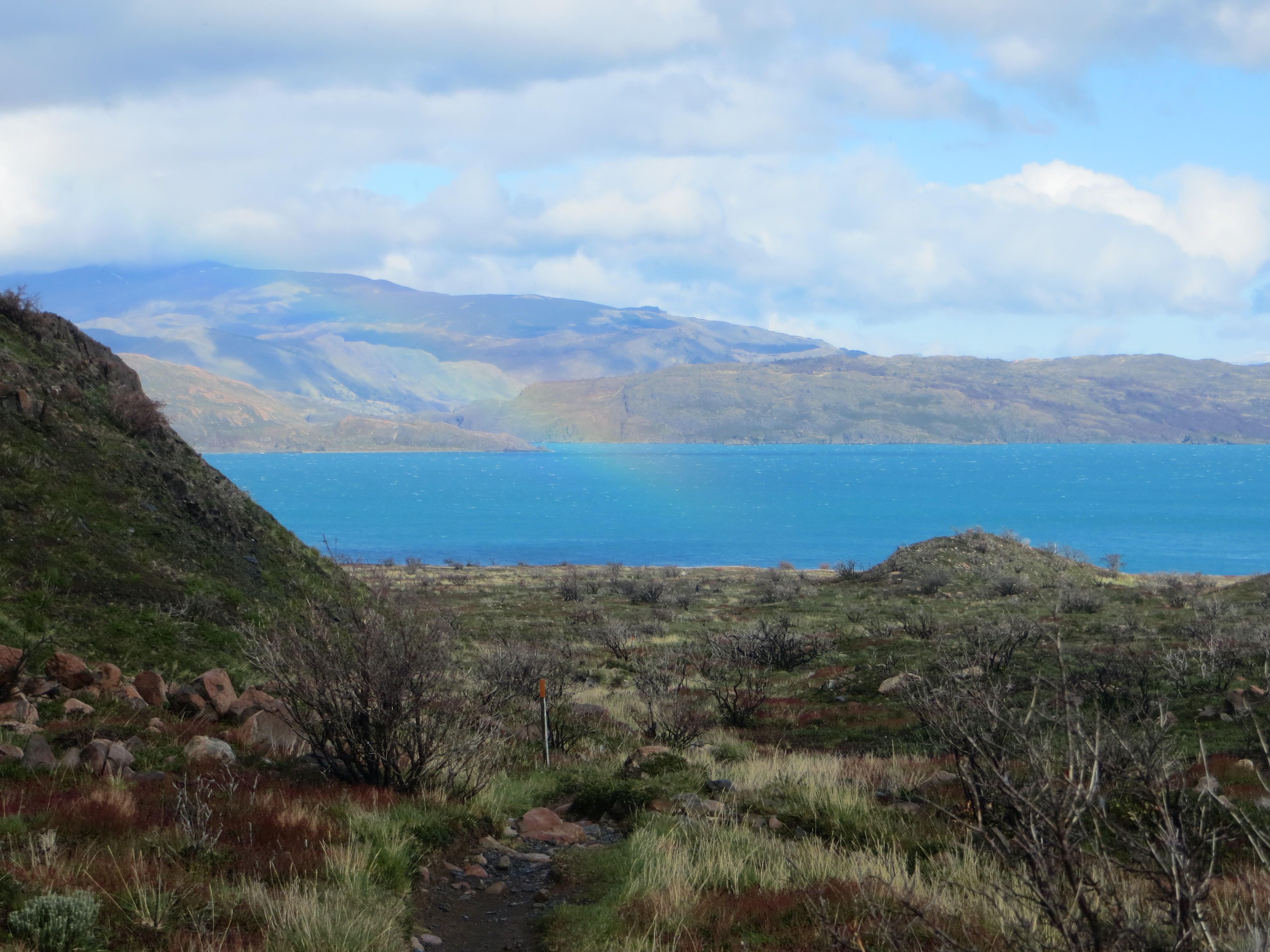
a rainbow in Chilean Patagonia
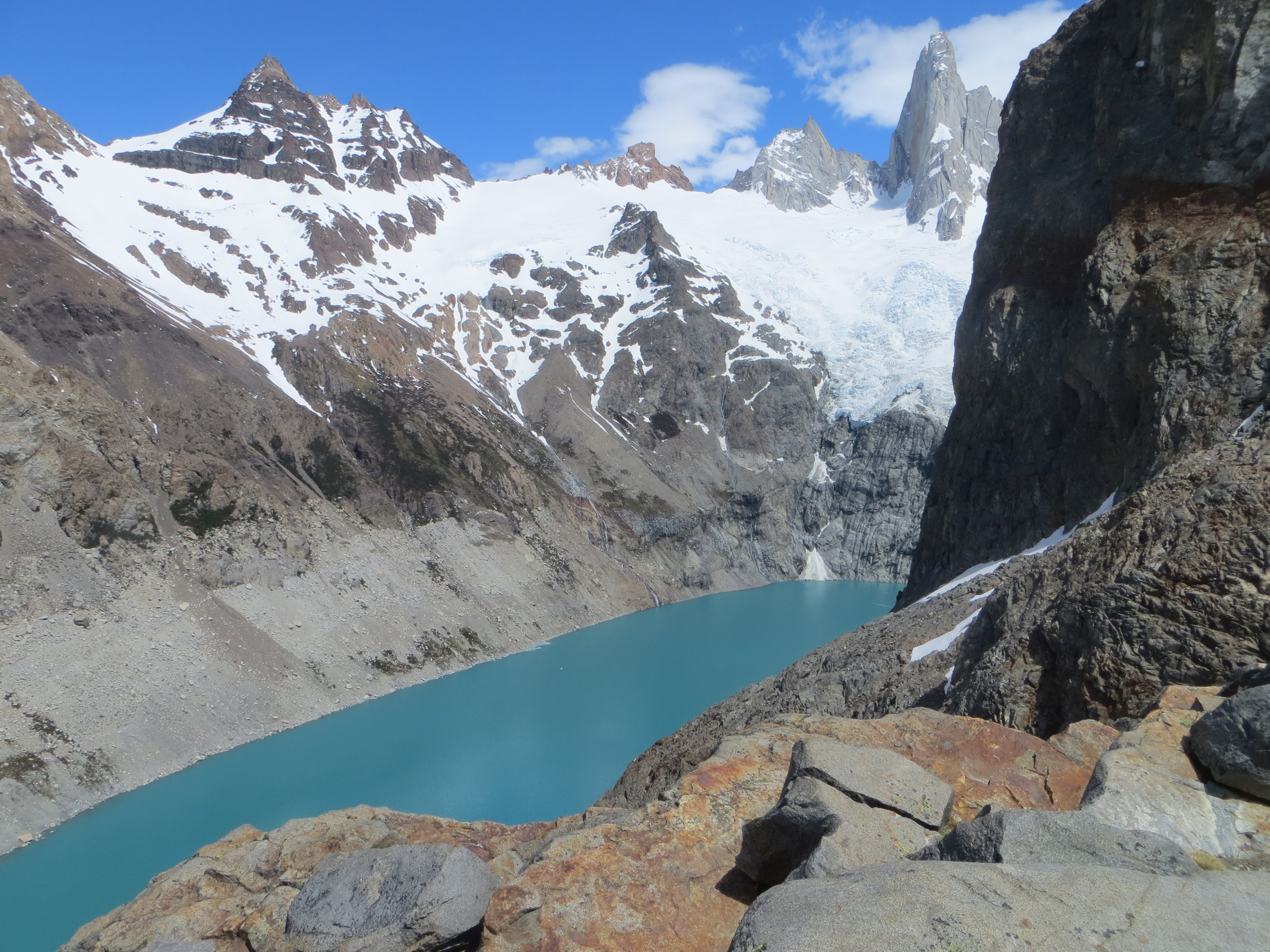
a glacial meltpool at the base of the Fitz Roy peaks
In Patagonia it is natural to sense the region’s immensity in each moment. With the nearest pollution hundreds of miles away, small plant life and distant mountain ranges, the views in all directions are seemingly infinite, and of course, breathtaking.
Some may accuse me of being cliché by describing the scenery as “breathtaking,” but to these critics I must insist on my word choice. This is no exaggeration, folks. I found myself constantly blown away by what my eyes beheld – colorful, layered beauty, untouched, unspoiled and eternally picture worthy.
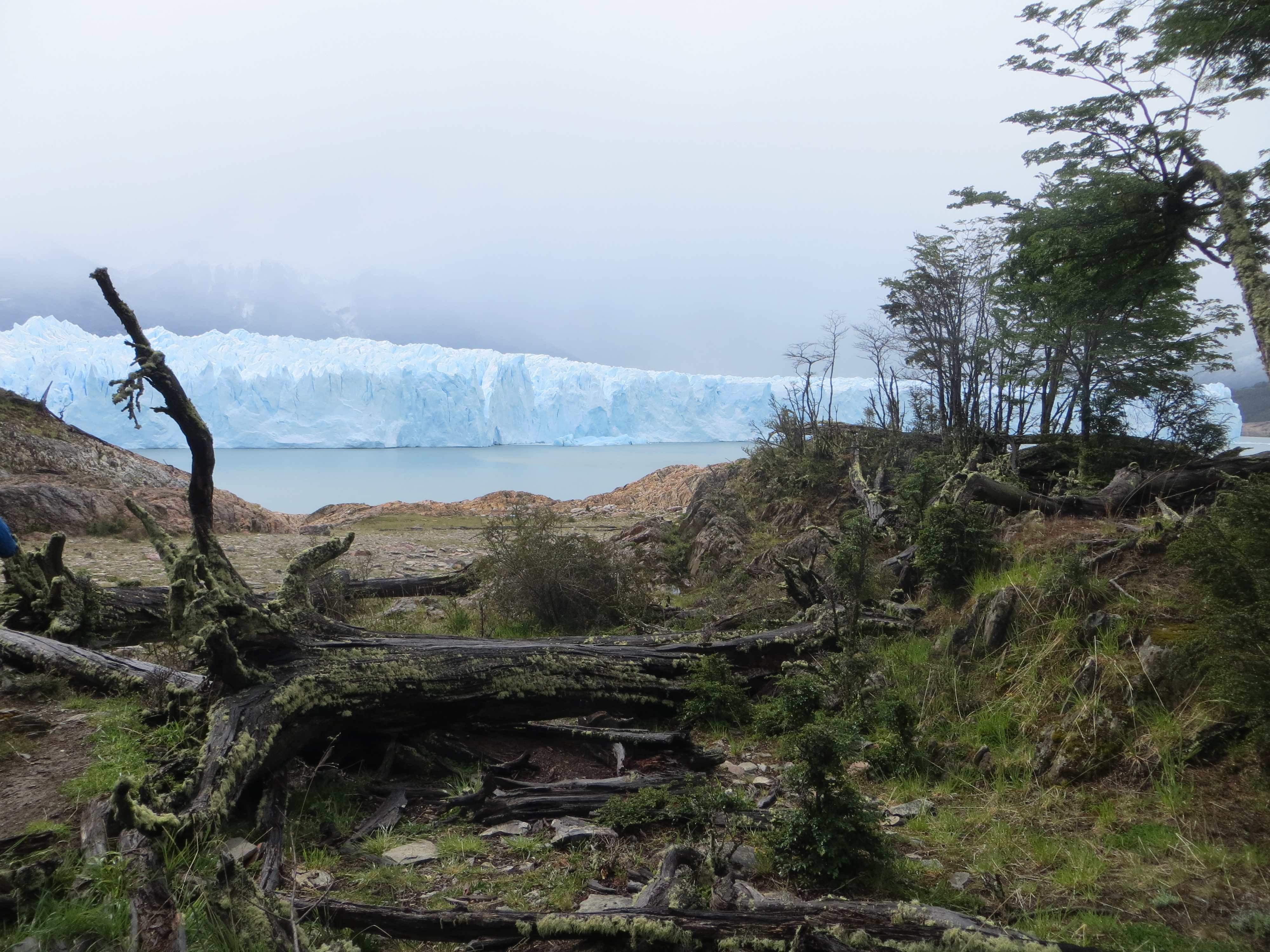
Perito Moreno glacier
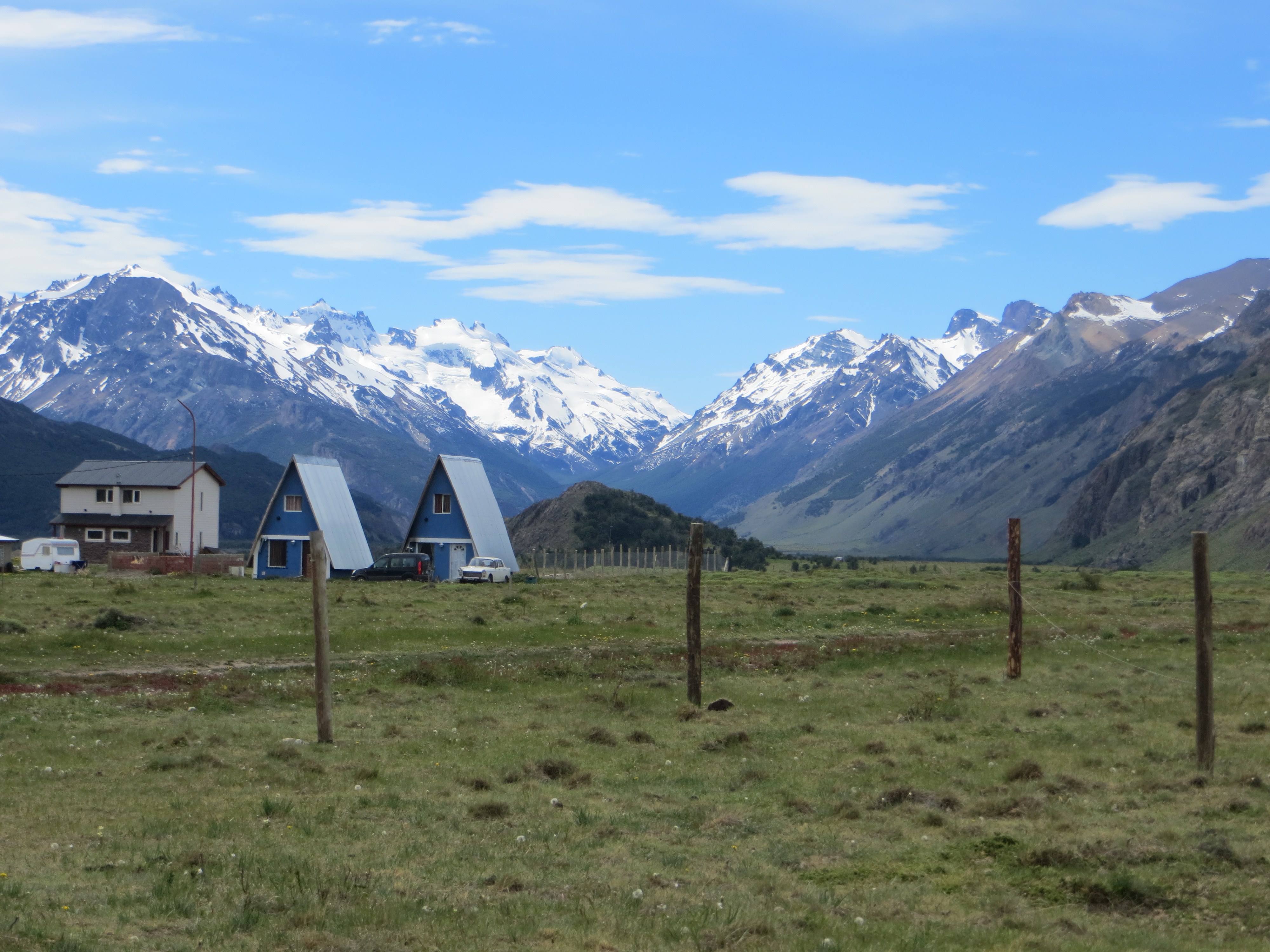
El Chalten
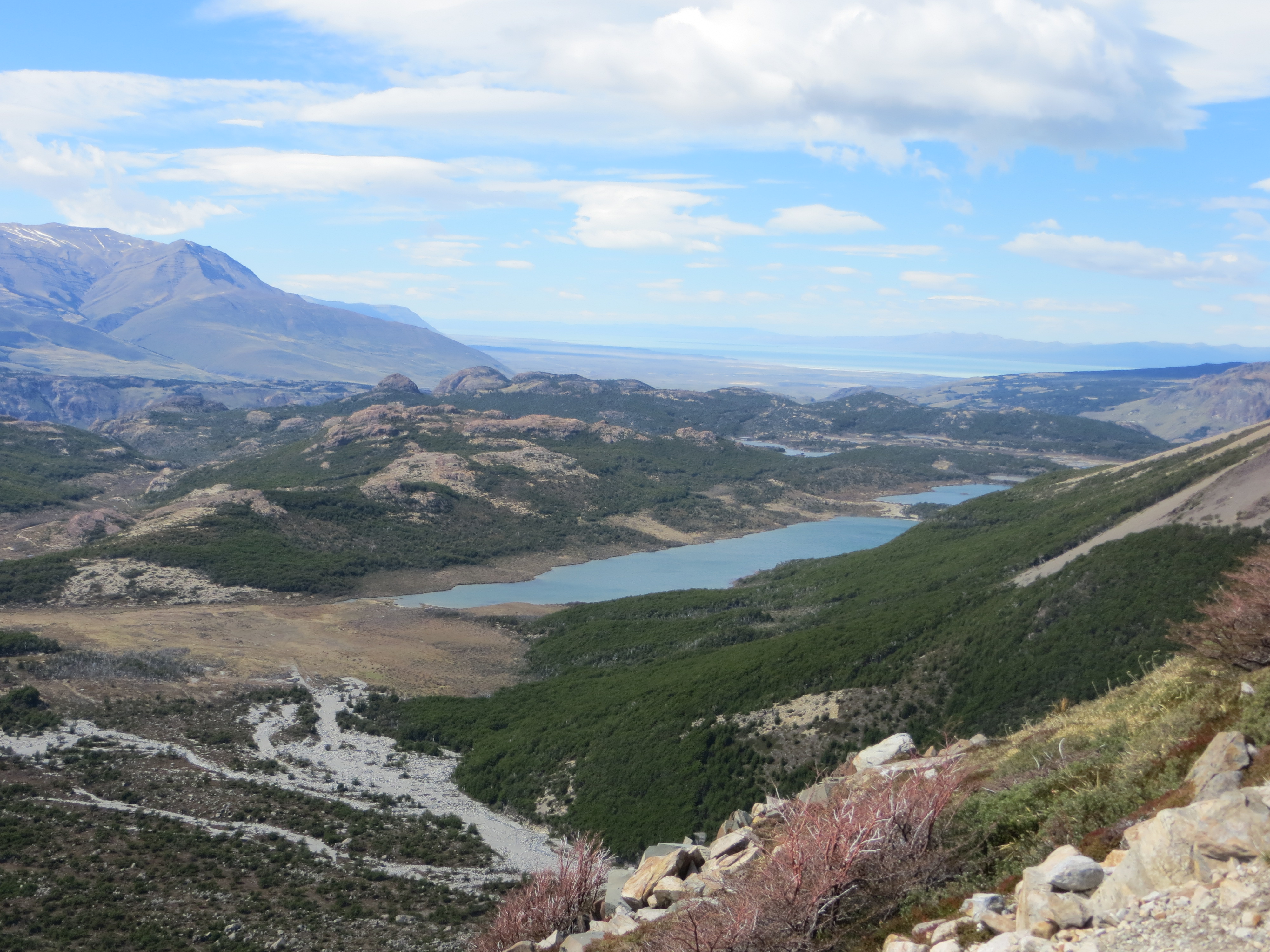
view from Fitz Roy
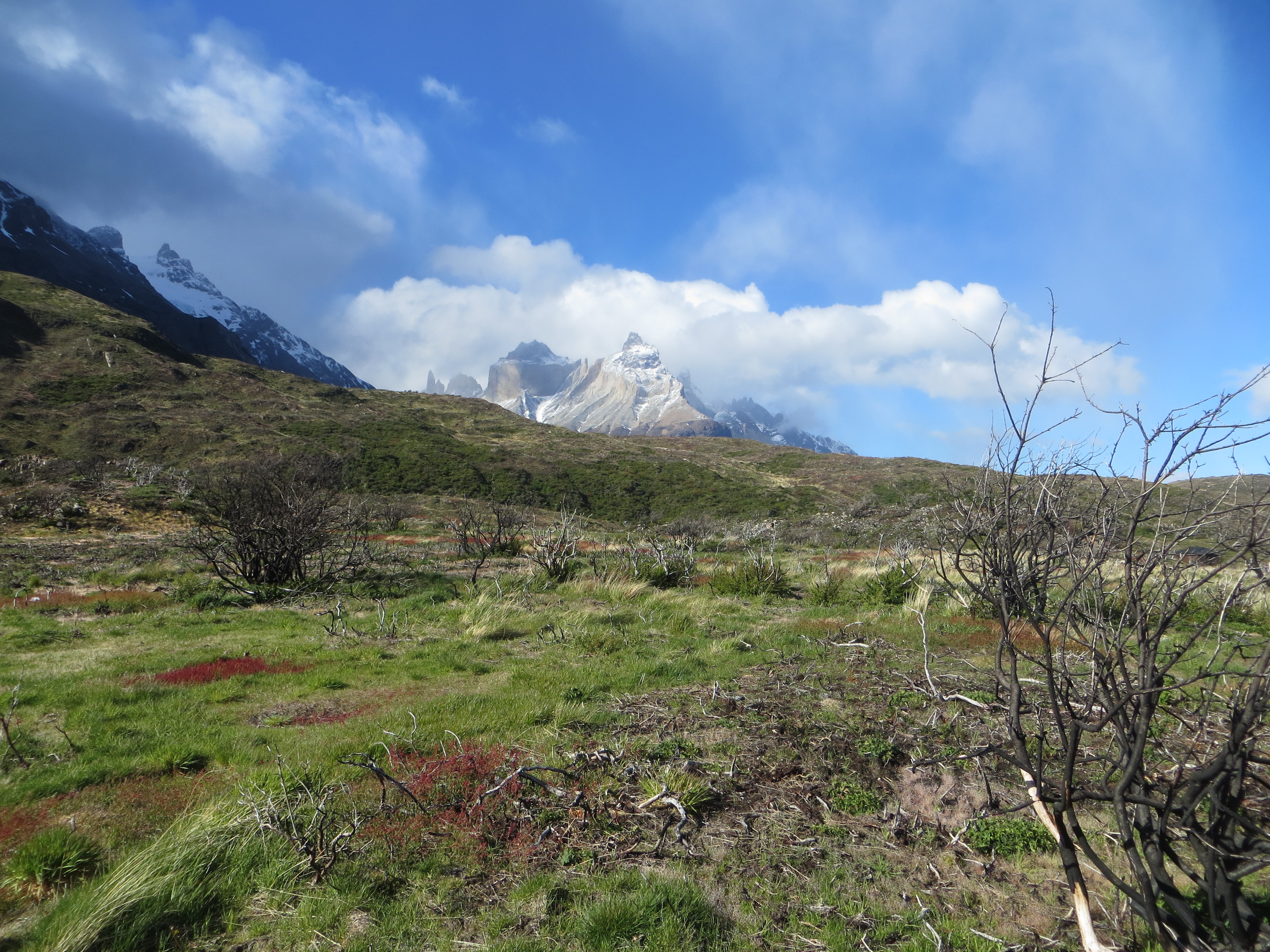
Torres del Paine
It should also be noted that while Patagonia is visually stunning, the weather is not always so serene. In fact, it can be quite merciless. The first thing I noticed when I left the airport in El Calafate is the wind. The wind is a ferocious beast; she sweeps through violently and without warning. Seriously, it’s possible to have no wind whatsoever, and then a moment later get hit with a 150 km/hour gust. Needless to say, the weather is totally unpredictable. I tried to schedule outdoor adventures for good weather days, but I learned quickly that the forecast means nothing. There are simply to many geological factors at play, too much altitude variation, wind speed, etc, to predict weather more than an hour in advance. It’s very intense, but that’s part of the experience. You just have to roll with it.
In Patagonia I had stops in El Calafate, El Chalten, and Bariloche in Argentina, and Puerto Natales and Torres del Paine in Chile. Details of these adventures soon to come!


 milesawayfromhome


Posted on January 3, 2014
0